

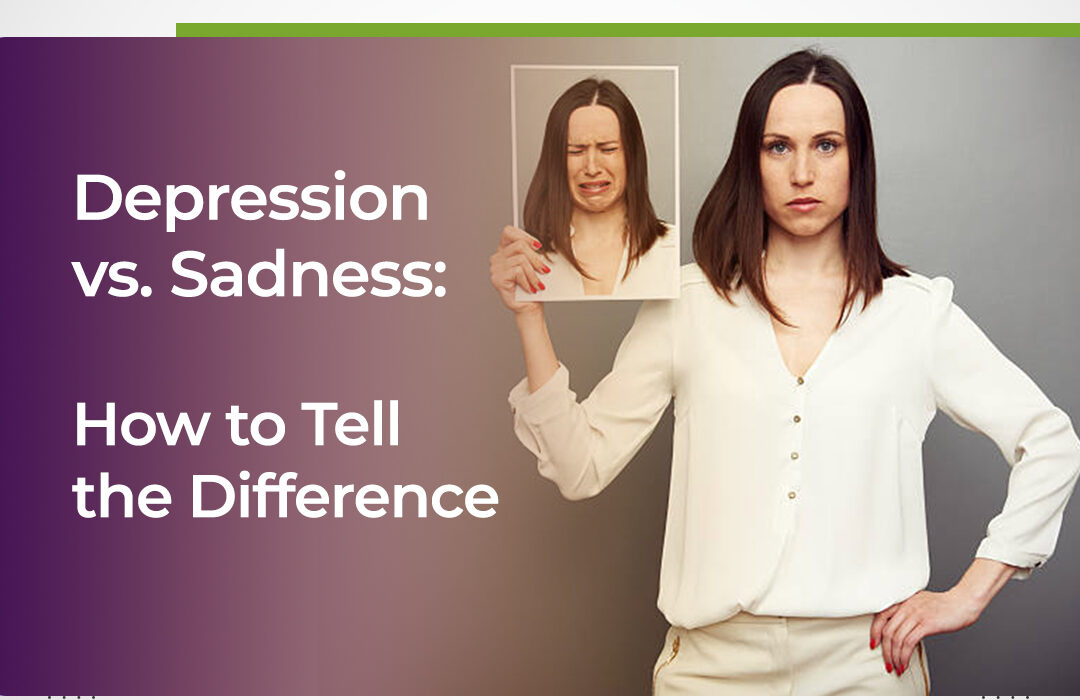
Depression vs. Sadness: How to Tell the Difference to Seek Help
Depression vs. sadness is something many people struggle to understand. Everyone feels sad from time to time, especially after stressful events, disappointment, or loss. Sadness is a normal human emotion. Depression, however, is a medical condition that affects how a person thinks, feels, and functions every day.
Understanding the difference between depression vs. sadness can help people recognize when they may need professional support.
What Is Sadness?
Sadness is a temporary emotional response to difficult situations. It may happen after a breakup, job stress, conflict, or grief. While sadness can feel intense, it usually improves with time, support, or positive experiences.
Common signs of sadness include:
- Feeling upset or emotional
- Crying occasionally
- Low motivation for a short period
- Temporary stress or disappointment
Most people can still continue their daily responsibilities while feeling sad.
What Is Depression?
Depression is more than feeling down for a few days. It is a serious mental health condition that can affect emotions, sleep, appetite, energy, concentration, and relationships.
Symptoms of depression may include:
- Persistent sadness or emptiness
- Loss of interest in activities
- Fatigue or low energy
- Changes in sleep or appetite
- Difficulty concentrating
- Feelings of hopelessness or guilt
- Thoughts of self-harm or suicide
Unlike temporary sadness, depression often lasts for weeks or months.
Depression vs. Sadness: Key Differences
One of the biggest differences between depression vs. sadness is duration. Sadness usually fades over time, while depression often persists.
Another difference is impact. Depression can interfere with work, school, relationships, and physical health.
People with depression may also struggle to enjoy positive moments. Even good news or support may not improve how they feel.
When Should You Seek Help?
It may be time to seek professional help if:
- Symptoms last longer than two weeks
- Daily responsibilities become difficult
- You feel hopeless most days
- Sleep or appetite changes significantly
- You withdraw from others
- You experience thoughts of self-harm
Early treatment can improve recovery and quality of life.
Treatment Options for Depression
Depression is treatable. Common treatment options include:
- Therapy or counseling
- Psychiatric medication management
- Lifestyle changes
- Stress management techniques
- Support groups
A mental health provider can help create a treatment plan that fits your needs.
Final Thoughts on Depression vs. Sadness
Understanding depression vs. sadness is important for protecting your mental health. Feeling sad is normal, but ongoing emotional pain should not be ignored.
If your symptoms feel overwhelming or long-lasting, reaching out for professional support can be the first step toward healing.
CTA: If you are struggling with depression symptoms, contact our office today to schedule a confidential mental health evaluation.